Hierarchies
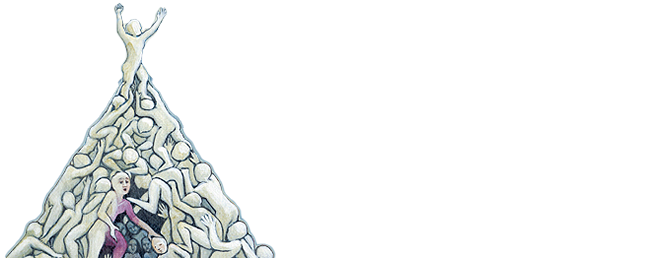
the object of the
game is to climb up ladders
"higher" people are accountable to
build and maintain hierarchies, and to
channel power and resources to themselves
"lower" people support and hold up hierarchies,
send their power and resources to "higher" people,
and look to the top for direction, permission, approval
"problems" such as deception, inequality, fear, greed, scarcity,
violence, and war keep hierarchies healthy and participants engaged
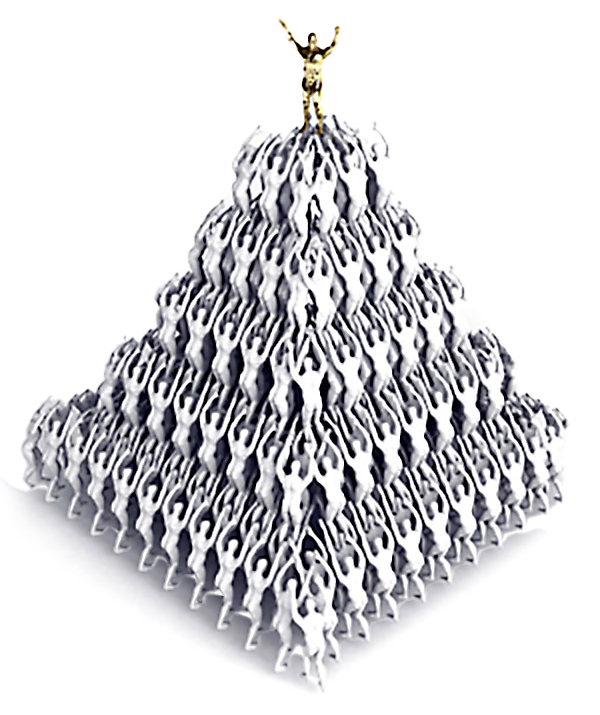
Hierarchies are difficult to see from the top. “Higher” people make rules that reflect their own desires, perspectives, and needs, so they have little incentive to question the system they create.
Hierarchies are easiest to sees when viewed from ‘lower” levels. “Lower” people notice hierarchies because they have to adjust to decisions and policies that are not designed with their desires, perspectives, and needs in mind.
So Many Choices
Some criteria we use to judge and rank each other:
- abilities or disabilities
- age
- birth family
- body type
- class
- education
- ethnicity
- facial hair and body hair
- family composition
- gender
- gender identity
- geography
- hair on one’s head
- income
- language
- learning styles
- marital status
- national origin
- neurodivergence
- occupation
- perspectives and opinions
- physical appearance
- profitability
- race
- religious belief or lack thereof
- sexual orientation
- species
- wealth
- many more