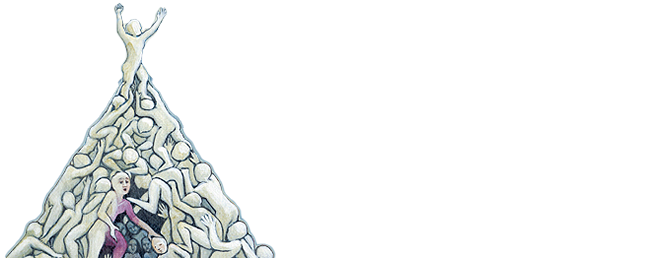
Typical Top Behaviors
We can count on hierarchists and their surrogates to act in ways that are characteristic of people who want to keep power, resources, and dominance to themselves. We avoid being caught off guard when we predict and anticipate their moves and we act accordingly.
Instead of getting swept into emotional judgments and battles, we can calmly step back and see that top people are acting out consistent roles that we can recognize and comprehend. These well-used plays will look familiar, whether they come from politicians, religious leaders, social and community-based organizations, or people in our everyday lives.
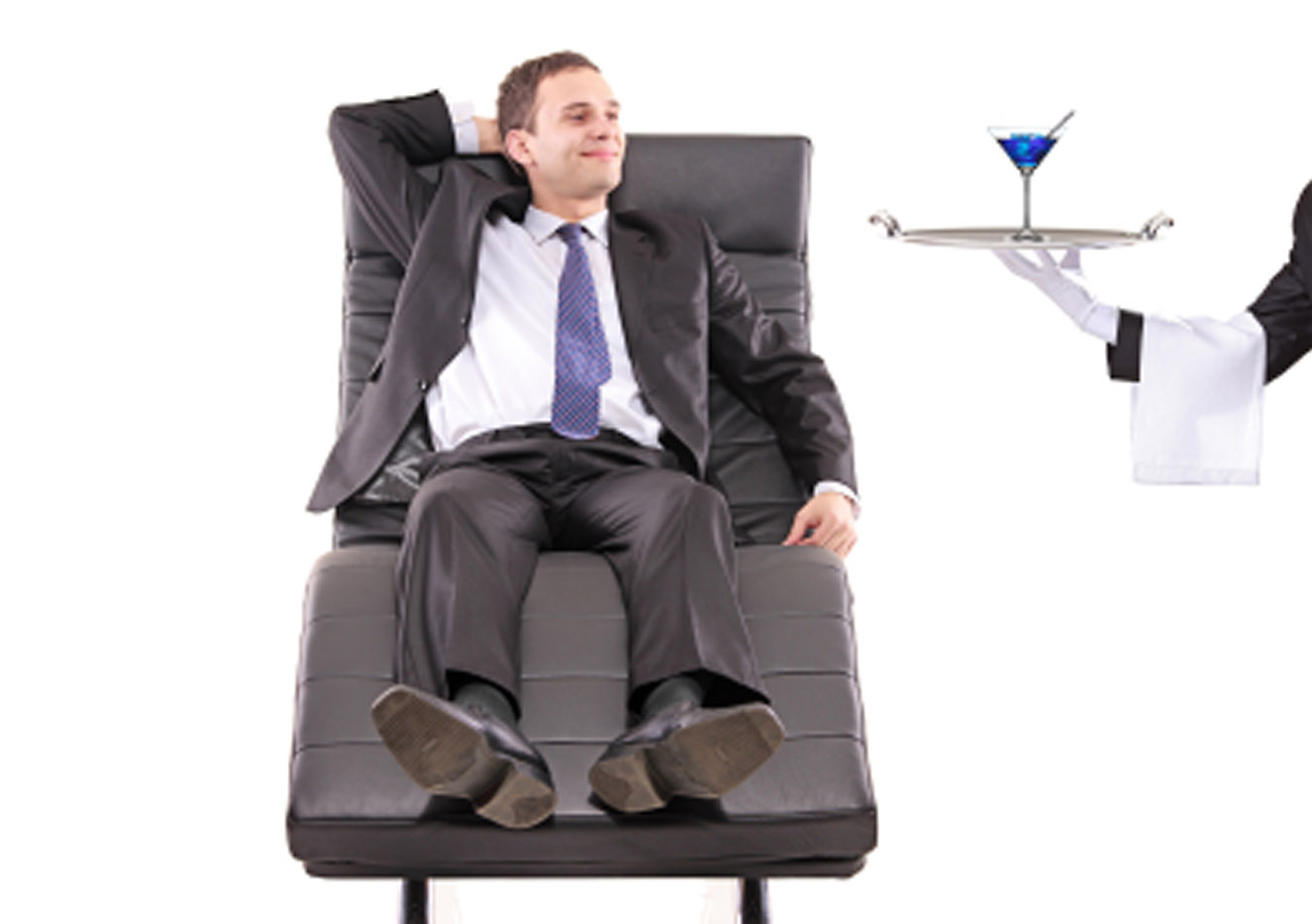
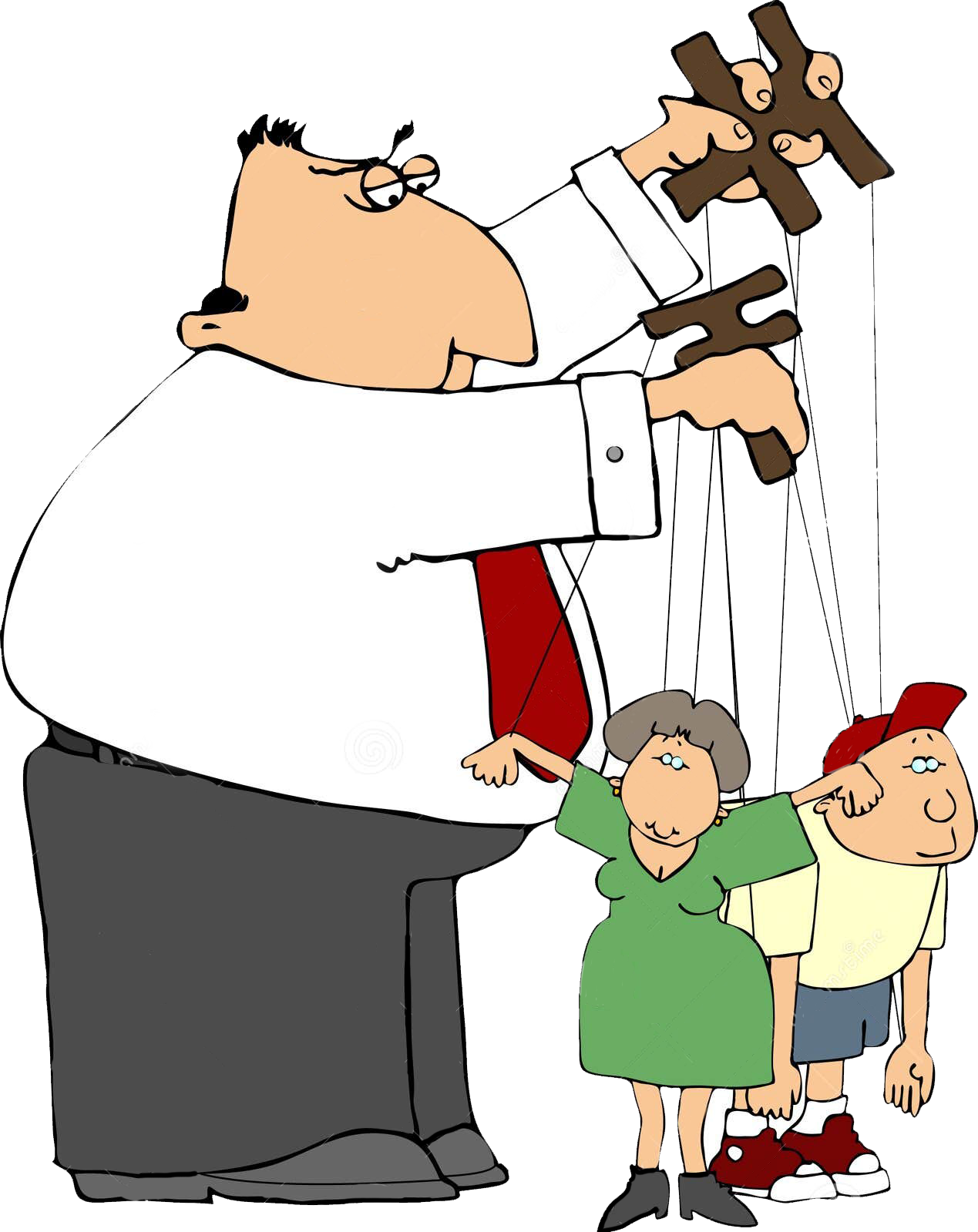
Because they are choosing to maintain their hierarchies, people on the top will:
- Act clueless as they cannot or choose not to see a hierarchy that harms lower people.
- Avoid solving "problems" that their hierarchies create because they benefit from these "problems."
- Defer to authority figures or those who rule in an authoritarian manner.
- Enlist argument, blame, conflict, corruption, cruelty, divisiveness, guilt, lies, meanness, rage, scarcity, scare tactics, selfishness, shame, threats, and violence to keep from being challenged.
- Expect not to be held accountable for the detrimental effects their decisions and actions create for lower groups of people, animals, and the natural environment.
- Have plenty of excuses to cover for themselves and each other and overlook each other's bad or toxic behaviors, as they surround themselves with people who support their position on their hierarchy.
- Hide behind rhetoric and "noble causes."
- Overreact, as if they have been attacked by a steamroller, from even the smallest nudge from lower groups.
- Perceive their view as superior and discount other perspectives.
- Try to divide diverse groups in order to control them.